A strong Putin has meant a weak Russia. Trump’s America would be no different. By Scott Gilmore

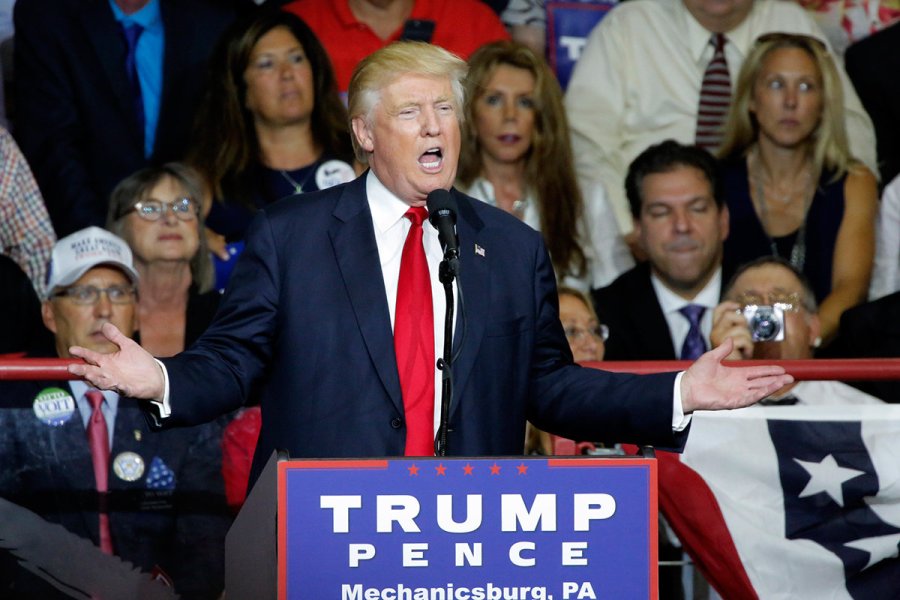
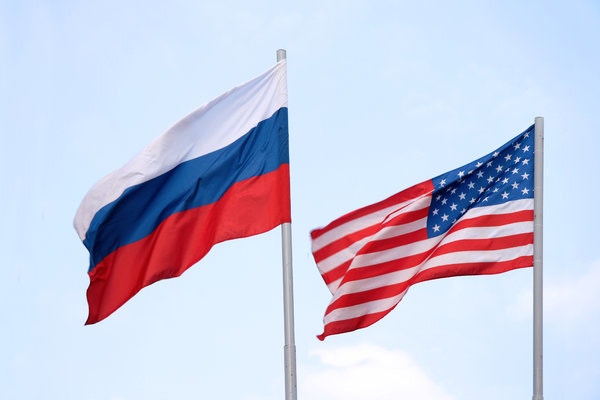
It is easy to see why a man like Donald Trump admires Putin. They both share a penchant for posturing, a fetish for unhindered power, a disdain for institutions and for the law, an extremely high self-regard, and a tendency to act unpredictably. So, if you are comfortable with Trump admiring Putin’s leadership style, then you must also be comfortable for Putin’s results. Donald Trump will not more make America great again, he will remake it in the image of Putin’s Russia — weakened and isolated.

Ex-Trump aides tied to firm that tried to expand Russia’s spying efforts, by Kevin Dugan

"While other countries use similar 'iris-reading’ technology at customs checkpoints, Russia wanted to covertly install it throughout its subway system in order to track those walking through, including everyone from US diplomats to journalists and tourists, sources said. 'They had some people on a naughty list, a black list, and they wanted to track these people,' a former executive told The Post. 'It was more surveillance, hit a black-list database, send up an alert.'"

2000 Presidential Election: The First Political Conventions of the Internet Era

"Now we must move forward, and we know the course we must follow. We need a smaller, more effective, more efficient, less bureaucratic government that reflects our time-honored values. The American people do not want big government solutions and they do not want empty promises. They want a government that is for them, not against them; that doesn't interfere with their lives but enhances their quality of life. They want a course that is reasonable, help that is realistic, and solutions that can be delivered -- a moderate, achievable, common-sense agenda that will improve people's daily lives and not increase the size of government."

The Convergence Between Vladimir Putin’s Political Culture and Our Own, by Joshua Yaffa

"I recently found myself returning to an essay from 2000 by Yuri Levada, a pioneering Russian sociologist, called 'The Wily Man.' The essay was Levada’s attempt to understand why so many pathologies of the Soviet era — the propensity for double-think and an adaptive, accommodating response to power — persisted so powerfully in modern Russia. In Levada’s telling, the wily man or woman 'not only tolerates deception, but is willing to be deceived.' Indeed, says Levada, he even 'requires self-deception for the sake of his own self-preservation.'"